

As a certified home inspector operating here in Northeast Ohio, I routinely step into properties ranging from classic mid-century bungalows in Parma to sprawling new builds in Westlake. No matter the vintage of the home, one system stands as the heartbeat of year-round comfort: the HVAC system. Given our wild weather swings—from humid, heavy summers off Lake Erie to freezing, snow-laden winters—your heating and cooling equipment works hard. However, there is a common, highly destructive pattern of behavior that many homeowners overlook until it is too late: short-cycling. When your furnace or air conditioner turns on and off in rapid succession without completing a full cycle, it is crying out for help. Recognizing this issue early can save you thousands of dollars in premature replacement costs and slashed utility bills.
- What It Is: Short-cycling is an HVAC operational malfunction where the heating or cooling run-cycle is aborted prematurely, only to restart again minutes later.
- The Financial Hit: It dramatically spikes your monthly energy bills and can cut the operational lifespan of a furnace or AC unit in half.
- Common Culprits: Simple fixes like a clogged air filter or more complex issues like an oversized system, thermostat misplacement, or refrigerant leaks.
- Northeast Ohio Context: Our local temperature extremes amplify the wear and tear caused by short-cycling, making immediate diagnosis critical.
Decoding the Cycle: Normal Operation vs. Short-Cycling
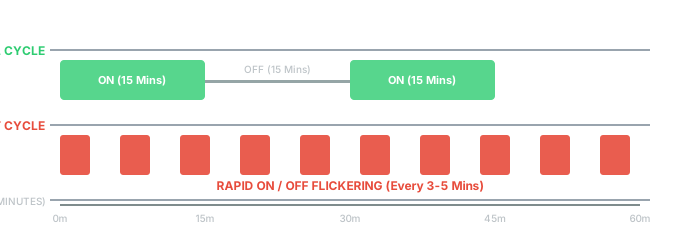
To understand why short-cycling is so damaging, we first need to look at how a healthy HVAC system is engineered to operate. A standard, properly sized furnace or air conditioner is designed to run until your home reaches the exact target temperature set on your thermostat. This typical run cycle generally lasts between 15 and 20 minutes. Once the target temperature is met, the system shuts down and rests until the ambient indoor temperature drifts a few degrees, prompting another cycle. This steady, sustained run time allows the system to distribute air evenly, manage humidity levels, and operate at peak thermodynamic efficiency.
When an HVAC system short-cycles, this natural rhythm is broken. The system fires up, runs for a brief window—often just two to five minutes—and abruptly shuts down before ever truly heating or cooling the home. Moments later, it starts up again, repeating this grueling process over and over. This constant starting and stopping places immense mechanical stress on the compressor, blower motor, and heat exchanger.
Top 4 Signs Your HVAC System is Short-Cycling
1. Rapid, Repetitive Startup Sequences
The most obvious indicator is simply listening to your system. If you sit in your living room and notice the distinct hum of your furnace or AC unit starting up, running briefly, shutting down, and then repeating that exact sequence five minutes later, you are witnessing short-cycling firsthand. A healthy system should not cycle more than three to four times per hour under normal weather conditions.
2. Unexplained Spikes in Your Energy Bills
Starting up is the most energy-intensive phase of an HVAC system’s operation. It requires a significant electrical surge to get the motors, fans, and compressors spinning. When your system is forced to start up ten times an hour instead of two, your electricity and natural gas consumption will skyrocket. If you notice a sudden, inexplicable jump in your Dominion East Ohio or FirstEnergy bills, your HVAC unit’s cycle behavior is a prime suspect.
3. Extreme Temperature Swings and Cold Spots
Because the heating or cooling cycles are cut short, the conditioned air never has the opportunity to travel to the furthest corners of your house. In a typical Northeast Ohio home, this leads to dramatic temperature imbalances. Your thermostat hallway might feel warm, while your upstairs bedrooms remain freezing cold in January. Proper airflow distribution requires long, steady air cycles to balance out drafty window areas and older insulation profiles.
4. Rising Humidity Levels Indoors
This is especially critical during hot, muggy Cleveland summers. Your air conditioner does not just cool the air; it acts as a primary dehumidifier. Dehumidification is a gradual process that occurs as warm, humid indoor air passes over the cold evaporator coils, condensing moisture out of the air and sending it down the condensate drain. Because short-cycling stops the AC prematurely, the air is never run across those coils long enough to remove moisture. The result? A home that feels sticky, clammy, and uncomfortably warm even if the thermostat says otherwise.
What Causes an HVAC System to Short-Cycle?
As a home inspector, I don’t just look for symptoms—I look for root causes. When we find a system that is short-cycling, it is usually tied to one of four common structural or maintenance issues.
Clogged, Dirty Air Filters (Restricted Airflow)
This is the absolute most common cause of short-cycling, and fortunately, the easiest to fix. When your return air filter is loaded with dust, pet dander, and debris, it chokes off the airflow entering the furnace or air handler. Without enough cool air flowing across the heat exchanger (in winter) or the evaporator coil (in summer), the system quickly overheats or freezes over. To protect itself from catastrophic damage, the system’s internal safety switches automatically shut it down. Once it cools off or thaws out, it attempts to run again, starting the loop over.

Incorrectly Sized System (The “Oversized” Trap)
Many homeowners—and unfortunately, some inexperienced contractors—assume that when it comes to furnaces and air conditioners, “bigger is always better.” This is a massive misconception. If an HVAC unit is too large for the square footage of your home, it will blast the living spaces with conditioned air so quickly that the thermostat is satisfied within minutes. However, because the system shuts off so fast, the structural elements of your home (the walls, floors, and furniture) never truly stabilize to that temperature, leading to a rapid rebound in temperature and instant cycling.

Poor Thermostat Placement
Your HVAC system only knows what its control brain—the thermostat—tells it. If your thermostat is installed in a poor location, it will feed the system false data. Common placement blunders include installing a thermostat directly in the path of hot, midday sunlight, near a drafty window, or right next to an active heating register. If the thermostat is hit with a blast of warm air from a register right as the system turns on, it will register that the room is warm and shut the system down prematurely, causing a short-cycle.

The Direct Consequences of Ignoring a Short-Cycling System
Allowing your HVAC to short-cycle month after month is a recipe for system failure. The start-stop motion is highly destructive to critical internal mechanisms. If left unchecked, here is what you can anticipate:
- Cracked Heat Exchanger: The rapid thermal expansion and contraction associated with short cycles stresses your furnace’s heat exchanger. A cracked heat exchanger is a severe hazard, as it can leak lethal carbon monoxide gas directly into your home’s airflow.
- Compressor Failure: In your outdoor AC unit, the compressor is the expensive heart of the system. Short-cycling causes it to work harder and run hotter, leading to electrical burnouts that require full system replacements.
- Ruined Indoor Air Quality: Since air is not pulled consistently through your filtration system, airborne dust, allergens, and mold spores remain suspended in your home rather than being trapped by your filters.
How long should a normal furnace or AC cycle run?
Under normal, moderate outdoor temperatures, a properly sized heating and cooling system should run for about 15 to 20 minutes continuously to reach its setpoint. It should cycle off for a similar period before starting again, averaging 2 to 3 full runs per hour. On days with extreme temperature spikes (sub-zero Cleveland winters or high-90s summer afternoons), the system may run longer, which is perfectly normal and efficient.
Can a dirty air filter really cause my furnace to short-cycle?
Yes, absolutely. A dirty filter blocks essential return airflow. Without a steady stream of cool air running over your furnace’s heat exchanger, the heat inside the cabinet builds up rapidly. Once it crosses a dangerous thermal threshold, a safety component called the “high-limit switch” cuts power to the burners to prevent a house fire. This automatic safety shutdown mimics short-cycling perfectly.
Is short-cycling dangerous, or just inefficient?
It is both. In the short term, it is highly inefficient, driving up your energy bills and wearing down components. Over time, however, it can become outright dangerous. In furnaces, the rapid temperature swings can lead to a cracked heat exchanger, creating a direct pathway for carbon monoxide gas to mix with the air you breathe. It should never be ignored.
Protecting your home begins with recognizing small warning signs before they transform into costly emergencies. Whether you are settling into a new home or preparing to put yours on the market here in Northeast Ohio, a precise, professional home inspection is your best line of defense. At Pinnacle Inspection Services, we evaluate your HVAC system’s age, safety controls, and cycle performance to give you complete peace of mind. Reach out to Jim Husseini today to schedule your comprehensive home evaluation.