
As a Certified Professional Inspector in Northeast Ohio, I have walked across thousands of floors. One of the most common, yet stealthiest, issues I encounter in our historic Cleveland, Akron, and Canton homes is subfloor deterioration hiding beneath carpeting. Carpet is an excellent design choice for comfort, but it acts as a literal mask, covering up structural wood rot, moisture damage, and compromised structural integrity. Left unchecked, a rotting subfloor can transition from a simple spot-repair to an incredibly expensive structural joist restoration. Understanding how to recognize the early warning signs of subfloor deterioration through carpet is vital for every local homeowner and homebuyer.
- Invisible Threat Vector: Carpeting can completely hide severe wood rot, sagging, and mold growth until the subfloor is on the verge of structural failure.
- Northeast Ohio Climate Risks: Local freeze-thaw cycles, snowy winter track-in, and humid summer crawlspaces create the perfect breeding ground for subfloor moisture trapped beneath non-breathable carpet pads.
- Tactile Warning Signs: Physical deflection (sponginess), localized “trampoline” zones, and persistent floor squeaks are primary indicators of compromised subfloor fasteners or rotted wood fibers.
- Visual and Olfactory Triggers: Dark perimeter staining near baseboards, rusted carpet tack strips, and persistent musty odors in carpeted rooms point directly to active wood decay underneath.
- Professional Diagnostics: Non-invasive home inspections utilizing thermal imaging, moisture meters, and crawlspace structural evaluations are essential to uncover these hidden defects before purchasing a home.
The Hidden Danger Underfoot: Why Carpet Masking is a Risk
To understand why subfloor rot is so insidious under carpet, we must look at how modern and historical flooring systems are constructed. In older homes across Northeast Ohio—ranging from Shaker Heights century homes to mid-century ranches in Parma—the floor system is a multi-layered assembly. Carpeting is installed over a dense rubber or foam pad, which sits directly on top of the wood subfloor (typically plywood, oriented strand board (OSB), or historical tongue-and-groove planking). Beneath the subfloor lie the structural floor joists.
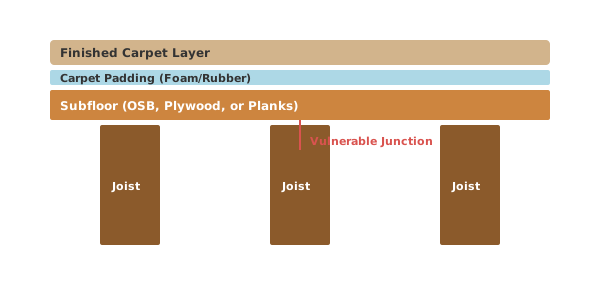
Because carpet padding is designed to absorb impact and keep out drafts, it acts as a vapor-retarding layer. If moisture finds its way into the subfloor—either from a plumbing leak above, tracked-in winter slush, or high humidity rising from an unconditioned basement or crawlspace—it becomes trapped. The wood subfloor stays wet for extended periods, triggering wood-decay fungi that feed on cellulose fibers, causing the wood to lose its structural strength.
The Top Warning Signs of Subfloor Decay
While you cannot physically see the subfloor without lifting the carpet, your home will give you subtle, unmistakable clues that the wood beneath is failing. As home inspectors, we train our senses to capture these tactile and visual warnings.
1. Tactile Deflection: Soft Spots and Trampoline Floors
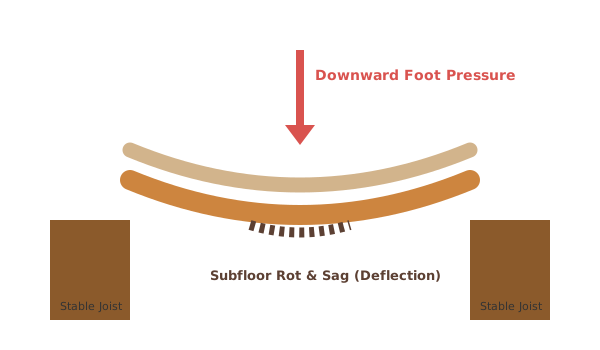
When walking across a carpeted room, pay close attention to how the floor feels beneath your feet. A healthy floor should feel firm, rigid, and unyielding. If you step in an area and feel a distinct sag, dip, or “bounce,” you are experiencing deflection. When wood subflooring rots, the internal glue layers of plywood or OSB dissolve. The wood layers separate (delaminate) and weaken, allowing the weight of an adult to bend the wood between the joists.
2. Chronic Squeaks and Fastener Pull-Out
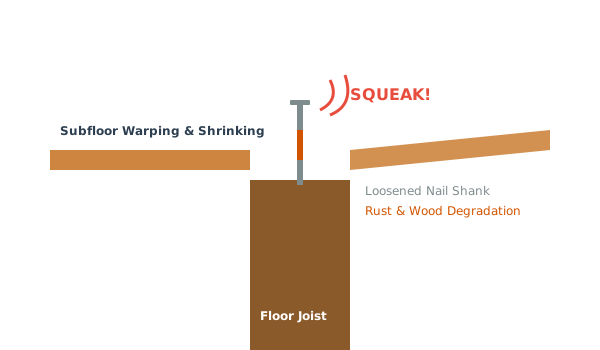
Floors squeak when wood rub against wood, or when a nail rubs inside its hole. When a subfloor is exposed to moisture, it swells. When it dries, it shrinks. This continuous expansion and contraction cycle causes wood fibers to relax their grip on the flooring nails or screws. The fasteners begin to back out of the joists. As you walk across the floor, the subfloor moves vertically along the loose fastener shank, producing a high-pitched squeak. If you notice a localized cluster of loud, persistent squeaks, it is often a sign that the subfloor is warping and loosening from the structural framing.
3. Perimeter Staining and Rusted Tack Strips
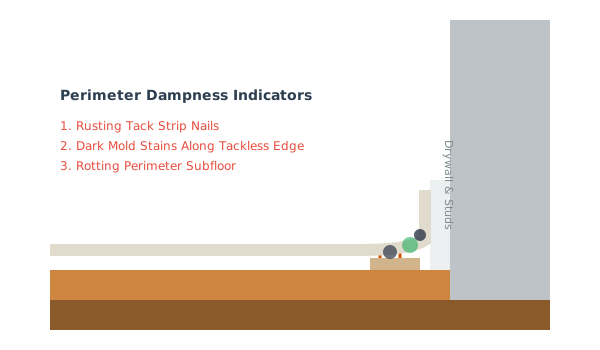
Look carefully at the perimeter of the room where the carpet meets the baseboard. Carpet is stretched tight and held in place by wooden tackless strips that are nailed directly to the subfloor. These strips contain dozens of upward-pointing steel tacks. If moisture is present in the subfloor (often due to foundation wall seepage or leaking windows), these steel tacks will rust. The rust will wick upward through the carpet fibers, leaving tiny, dark orange, brown, or black stains along the baseboard. Furthermore, the wooden tack strips themselves will rot, causing the carpet to loosen and wrinkle near the walls.
4. The Unmistakable Musty Odor (Microbial Growth)
When wood rot fungi are active, they release volatile organic compounds (VOCs) that emit a distinct, earthy, musty smell. Because carpeting and carpet padding are porous, they absorb and amplify these odors. If you enter a carpeted room that has a persistent damp smell—even after deep cleaning the carpet—the source is highly likely underneath the pad. The organic backing of the carpet, combined with the damp wood of the subfloor, creates a perfect habitat for mold and mildew colonies to thrive.
Why Northeast Ohio Homes Are Particularly Vulnerable
Our regional weather plays a major role in subfloor degradation. Northeast Ohio is known for its high humidity during the hot summer months and heavy snow load during the winters. This climate creates a phenomenon known as “vapor drive.”
In many Cleveland-area homes, the basement or crawlspace is damp and unconditioned. In the summer, high humidity in the crawlspace pushes water vapor upward into the cooler, air-conditioned interior of the home. This vapor passes through the wooden subfloor, but it often gets trapped by the synthetic, non-breathable carpet pad above. This trap zone remains chronically damp, leading to rapid rot of OSB subfloors, which are highly sensitive to moisture compared to older, solid-wood plank subfloors.
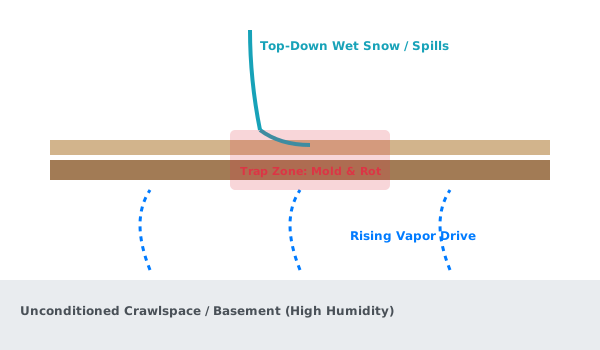
Additionally, during our long winters, family members and pets track snow and slush inside. If this moisture is allowed to sit on carpeted entryways, it quickly soaks through the carpet and pad, pooling on the subfloor. Because the home is closed up for the winter, this water has nowhere to evaporate, leading to localized dry rot over time.
How to Inspect Without Ripping Up the Carpet
If you are a homebuyer looking at a property, you cannot simply tear up the seller’s carpet to check the subfloor. However, a professional home inspector has tools and methods to perform a non-destructive evaluation:
- Thermal Imaging: Using high-resolution infrared cameras, we can spot temperature anomalies. Wet subfloors evaporate moisture, cooling the surface. This shows up as dark, cool spots on an infrared scan, pinpointing active leaks or dampness under the carpet.
- Pinless Moisture Meters: These specialized electromagnetic meters can read moisture levels through carpet and padding without damaging the fibers, allowing us to evaluate the relative moisture level of the subfloor.
- Crawlspace and Basement Joist Inspection: Often, the best way to inspect a subfloor is from underneath. By examining the floor joists and the underside of the subfloor from the basement or crawlspace, we can visually identify water staining, mold, wood-boring insect damage, and localized sagging.
Protect Your Investment with Pinnacle Inspection Services
A home is the most significant investment most of us will ever make. Don’t let hidden defects under cozy carpets turn your dream home into an expensive repair project. Whether you are buying a historic home in Cleveland Heights, selling a property in Akron, or simply want to ensure your current home is structurally sound, a thorough, professional evaluation is your best protection.
At Pinnacle Inspection Services, we utilize state-of-the-art tools—including advanced thermal imaging and moisture diagnostics—to reveal what is happening behind the scenes and under your floors. Contact Jim Husseini and the team at Pinnacle Inspection Services today to schedule your comprehensive home inspection and gain complete peace of mind.