
When you walk through a newly renovated colonial in Westlake or a modern split-level in Mentor, it’s remarkably easy to fall in love with the surface details. The clean scent of fresh paint, the gleam of polished quartz, and the crisp, bright-white trim can make any property feel like a dream. But as a home inspector who has spent decades analyzing structures across Northeast Ohio, my job is to look past the staging. I look at the bones, the physical science of how a house handles our volatile Lake Erie climate, and the raw truth of how the building materials will perform over the next ten, twenty, or thirty years.
In the construction industry, we frequently talk about “builder-grade” materials. To the untrained eye, builder-grade can look identical to premium-quality materials on the day of installation. However, builder-grade is simply the industry term for the absolute minimum standard of materials required by building codes to legally sell a home. It is material designed to maximize builder profit margins and speed of construction, not to optimize longevity, energy efficiency, or human comfort. When we elevate our standards to high-quality, high-performance materials, we aren’t just paying for aesthetics; we are investing in physics, durability, and a healthier living environment.
To understand the difference, we have to look at the anatomy of the home. Consider the exterior wall assembly, which serves as your home’s primary defense system against Northeast Ohio’s relentless freeze-thaw cycles, driving lake-effect snow, and humid summer afternoons. A builder-grade wall typically relies on thin vinyl siding, a basic perforated house wrap that acts as a weak moisture barrier, low-density fiberglass batts that easily sag, and oriented strand board (OSB) sheathing that swells permanently when exposed to water. Contrast this with a high-performance wall assembly that utilizes dense fiber-cement siding, a continuous exterior rigid foam insulation layer to eliminate thermal bridging, high-density cellulose or spray foam, and advanced integrated weather barriers like ZIP System sheathing.
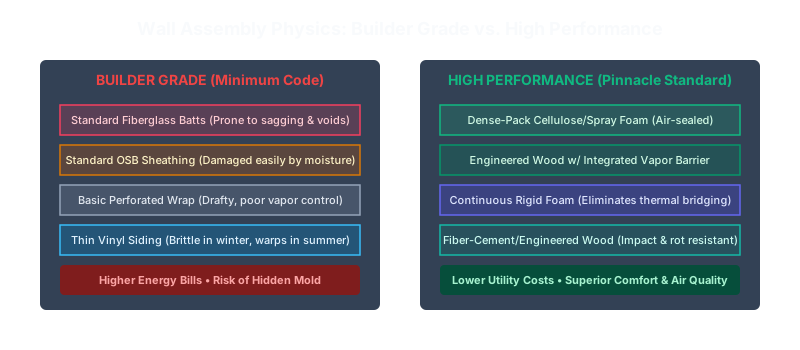
When builders cut corners on these hidden exterior elements, the physical consequences slowly migrate inward. Standard vinyl siding lacks structural rigidity, meaning it expands and contracts violently with a fifty-degree temperature swing in autumn. This movement compromises the seals around your windows. Over time, moisture finds its way past the cheap house wrap and into the OSB sheathing. In our local climate, this trapped moisture has nowhere to go. It sits against the framing studs, creating the perfect physiological breeding ground for mold spores, rot, and structural decay long before any water stains show up on your drywall.
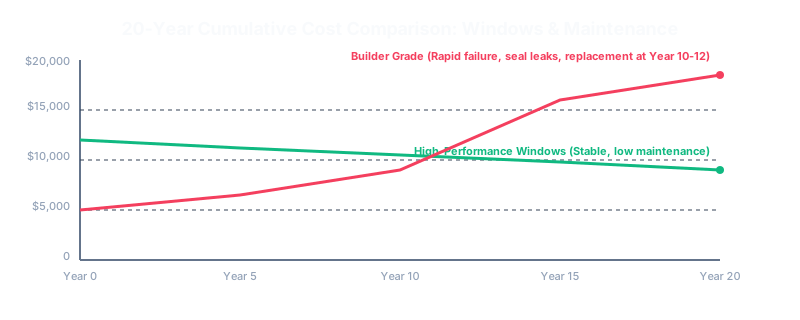
The economic reality of builder-grade materials is that they cost significantly more in the long run. Let’s look at a classic example: builder-grade vinyl windows versus high-quality composite or clad-wood double-paned windows. A builder-grade vinyl window is assembled with thin frames that easily flex and lose their squareness as a home naturally settles. Within five to seven years, the seal on the insulated glass unit frequently fails, resulting in foggy glass and a complete loss of insulating capability. On the other hand, investing in high-quality windows pays massive dividends in structural integrity, draft reduction, and energy savings.
As we move inside the home, builder-grade shortcuts continue to impact your quality of life. Consider the difference in interior carpentry. Hollow-core doors and engineered medium-density fiberboard (MDF) trim swell up like sponges if they are exposed to minor floor moisture, such as a bathroom floor after a shower. High-quality solid wood or high-density composite resists this moisture damage. Furthermore, builder-grade cabinets use stapled particleboard boxes that will warp and sag under the weight of heavy dishware, while premium cabinetry utilizes dovetailed plywood construction that remains rigid for generations.
From a physiological perspective, builder-grade finishes often contain higher levels of volatile organic compounds (VOCs). Cheap paints, carpets, and adhesive-heavy laminate flooring off-gas chemicals into your home’s air supply for years, compounding allergy issues and reducing overall respiratory health. Quality materials, on the other hand, prioritize low-VOC ratings, natural finishes, and physical density, which contributes to both a quieter home (excellent sound dampening) and a dramatically cleaner indoor environmental profile.
**The Practical Takeaway for Homebuyers and Owners**
When you are touring an open house or evaluating your own home, you don’t need a degree in engineering to spot builder-grade shortcuts. There are several highly practical indicators you can observe during a walkthrough:
* **The Door Test:** Gently swing an interior door shut. If it feels feather-light, rattles in its frame, or fails to stay in place when left half-open, you are dealing with hollow-core doors and budget hinges.
* **The Plumbing Under the Sink:** Open the vanity cabinets in the bathrooms. Do you see cheap plastic, push-fit shutoff valves and thin, corrugated drainpipes? Or do you see solid brass, quarter-turn compression valves and heavy-gauge plumbing? Cheap plastic valves are notorious for failing catastrophically during minor pressure surges.
* **The Window Check:** Open and close several windows. If the vinyl frames flex or twist visibly as you lock them, or if the glass feels extremely cold to the touch on a brisk day, they are low-cost, high-loss units.
* **Cabinet Construction:** Run your hand along the underside of the upper kitchen cabinets. If you feel raw, rough particleboard instead of finished wood or plywood, the cabinets are built to minimum standards.
Choosing a home constructed with quality materials is about protecting your health, preserving your hard-earned capital, and ensuring peace of mind. If you are preparing to purchase a home or want to know exactly what lies behind the beautiful drywall of your current property, let us help you uncover the facts. Schedule a thorough, scientifically minded home inspection with Pinnacle Inspection Services today, and let’s make sure your investment is built to last.