We are a customer service company that happens to do really good inspections!
No Mold, No Pay, Moneyback Guarantee
If no mold is detected in any interior air samples, your entire mold inspection fee will be refunded. To qualify, your inspection must include at least two indoor samples and either one outdoor baseline sample or a third indoor air sample.
Scientific Mold Testing & Mold Inspections in Hudson Mold Inspections & Air Quality Testing
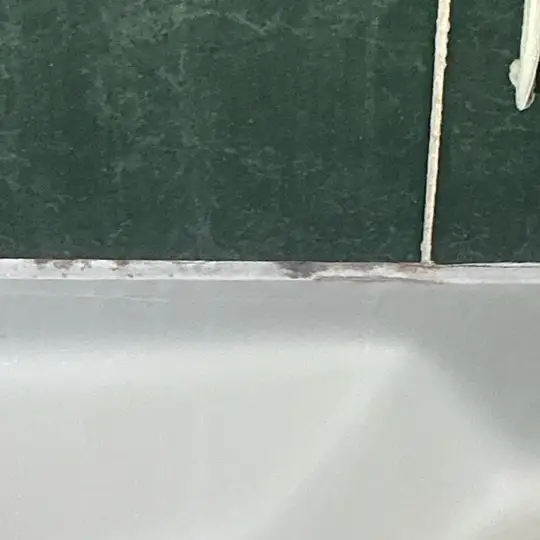
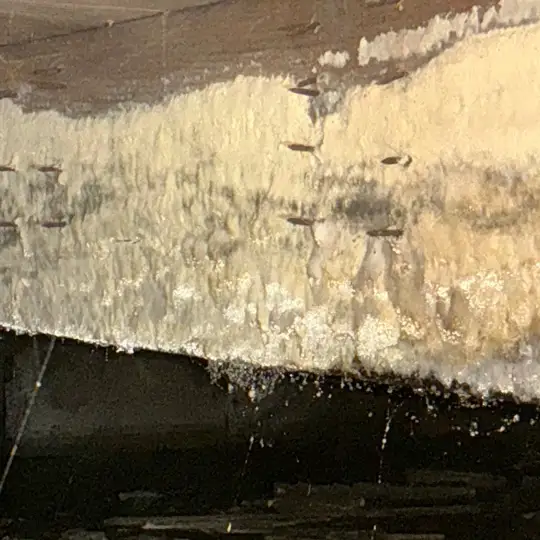
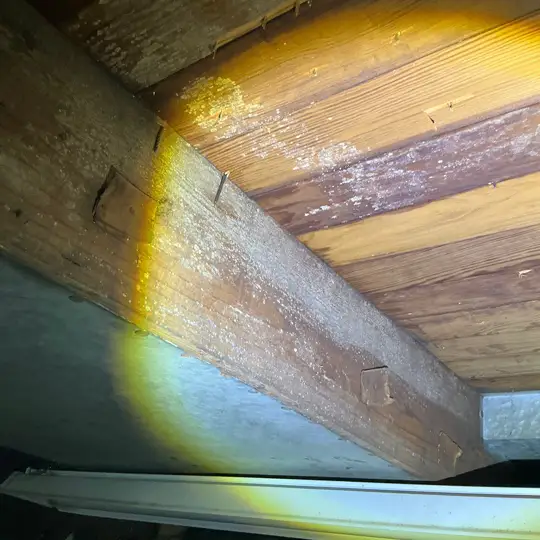
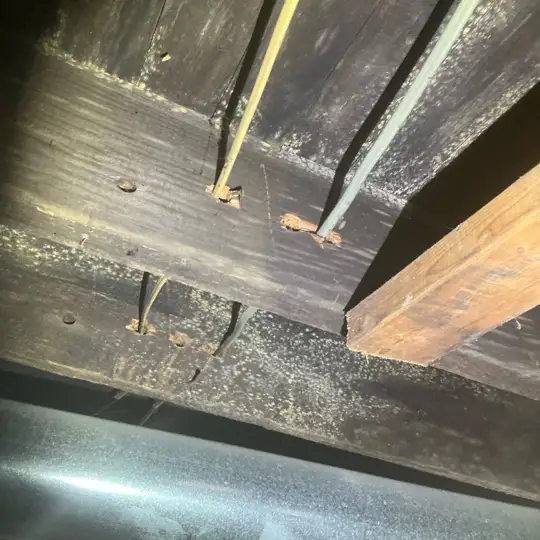
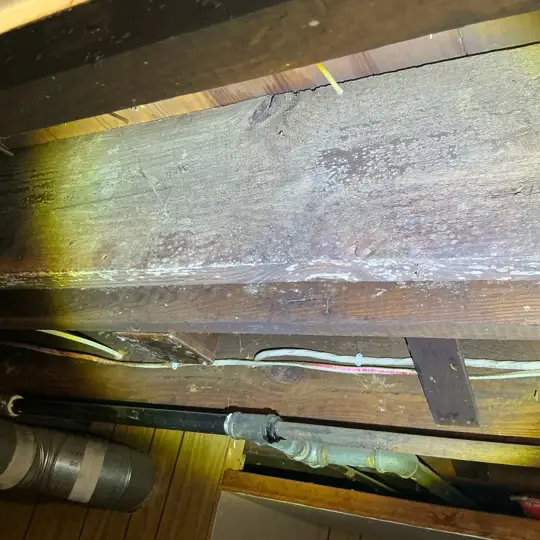
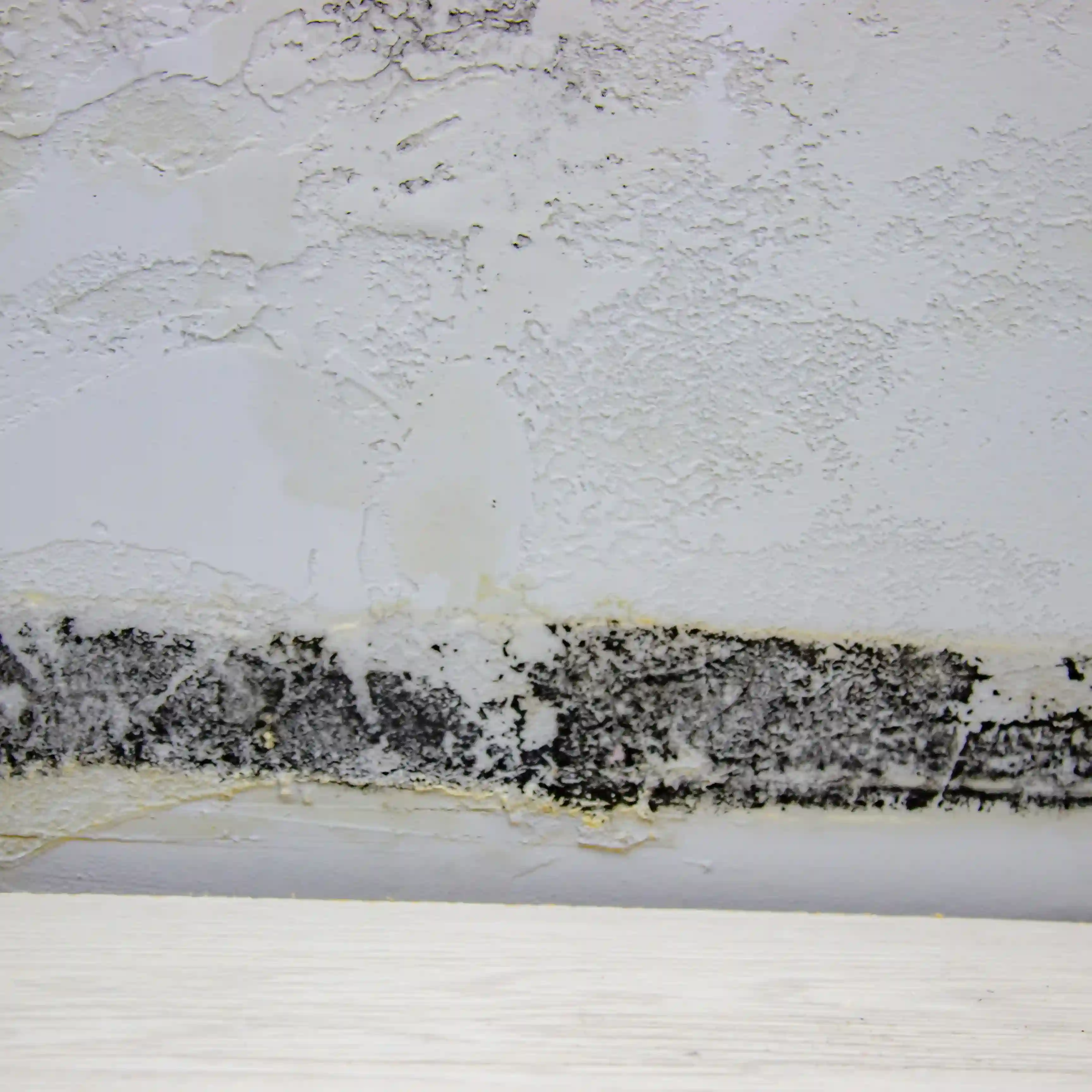
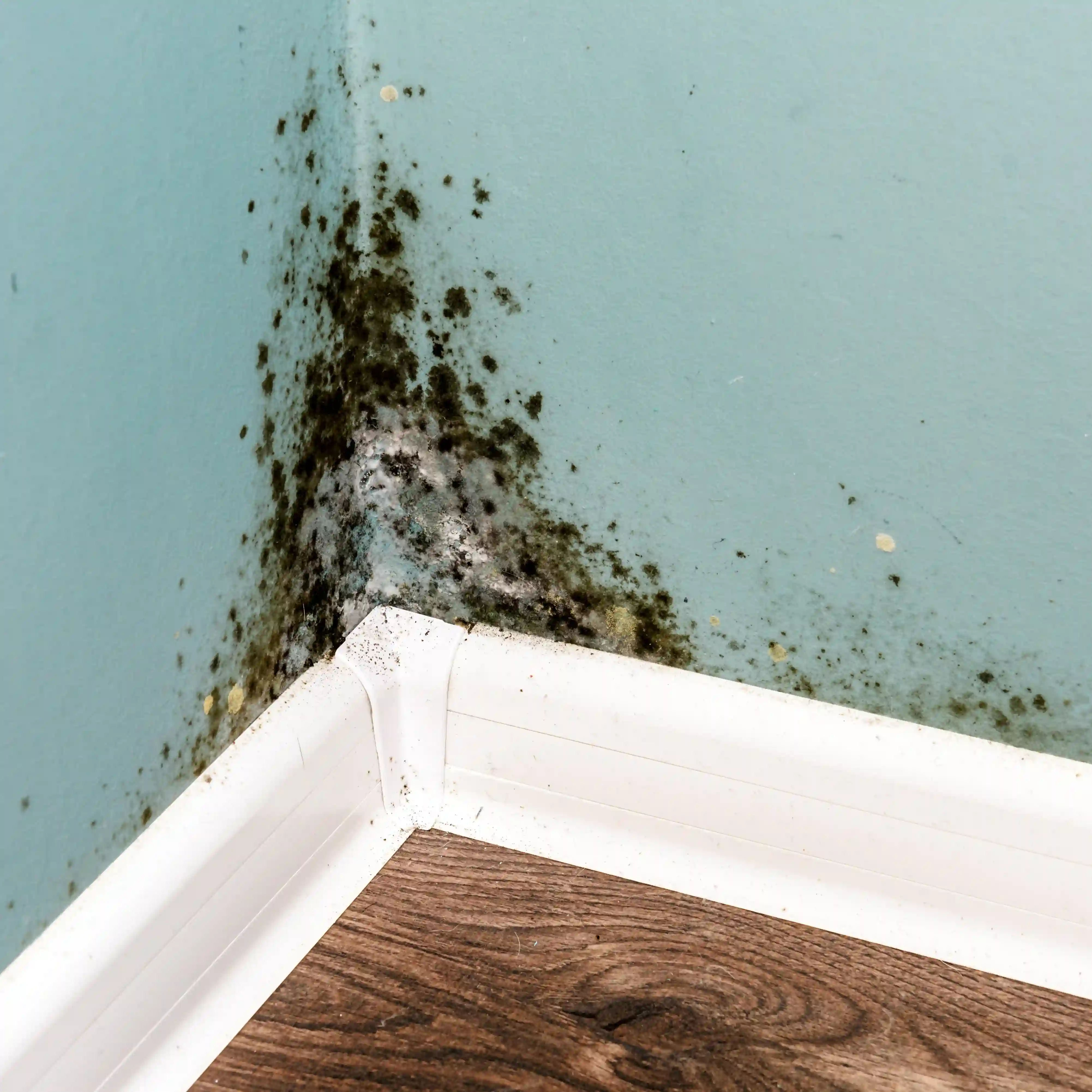
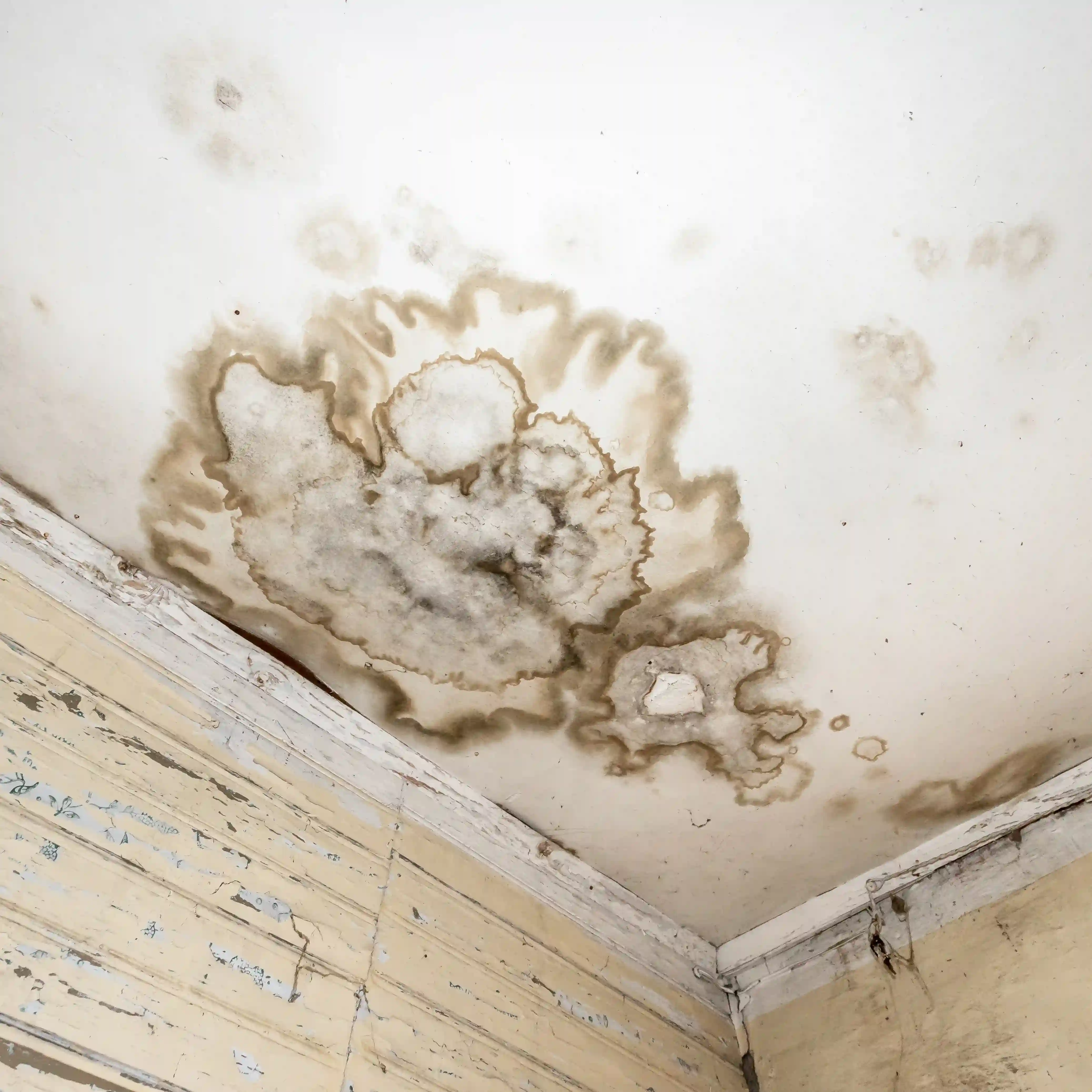
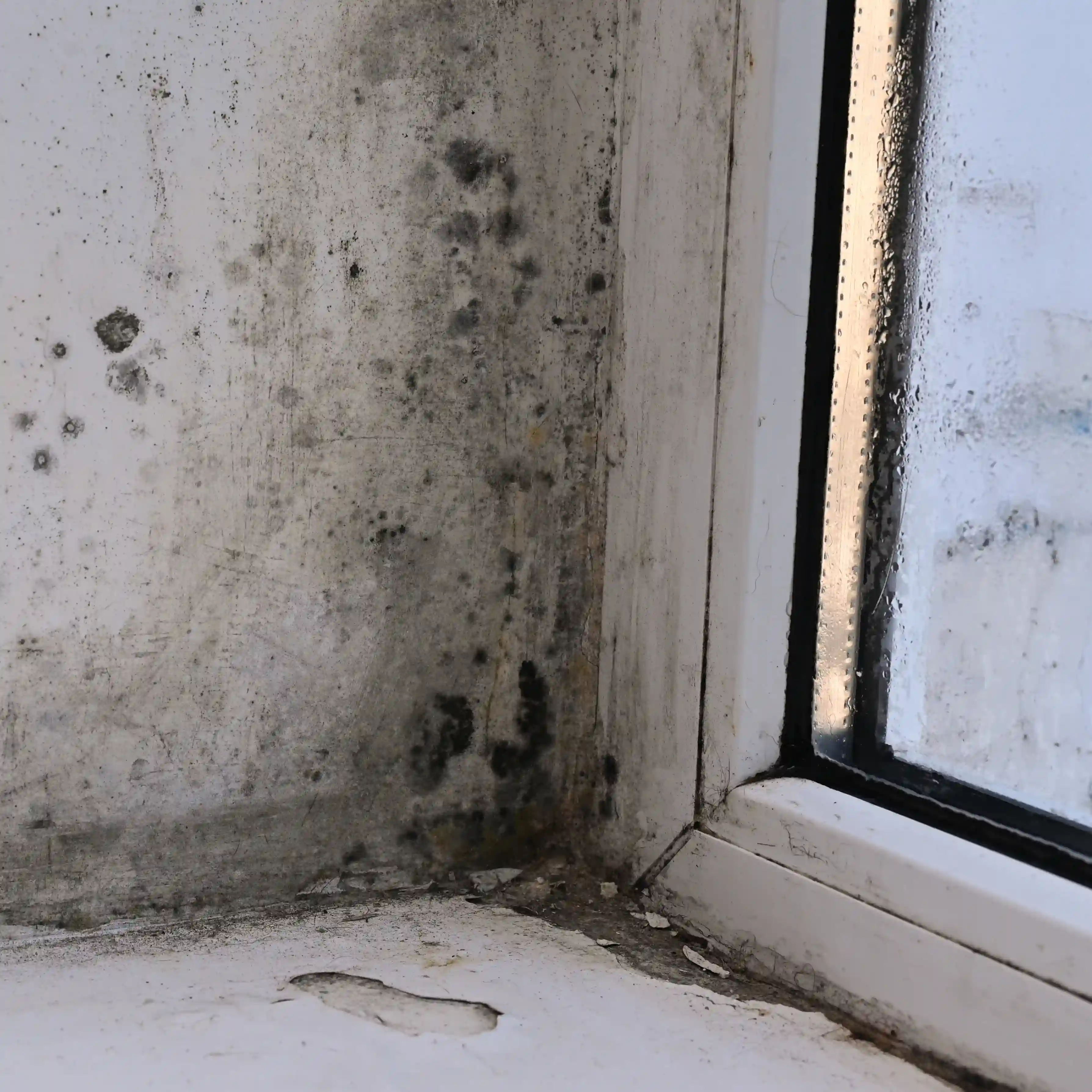
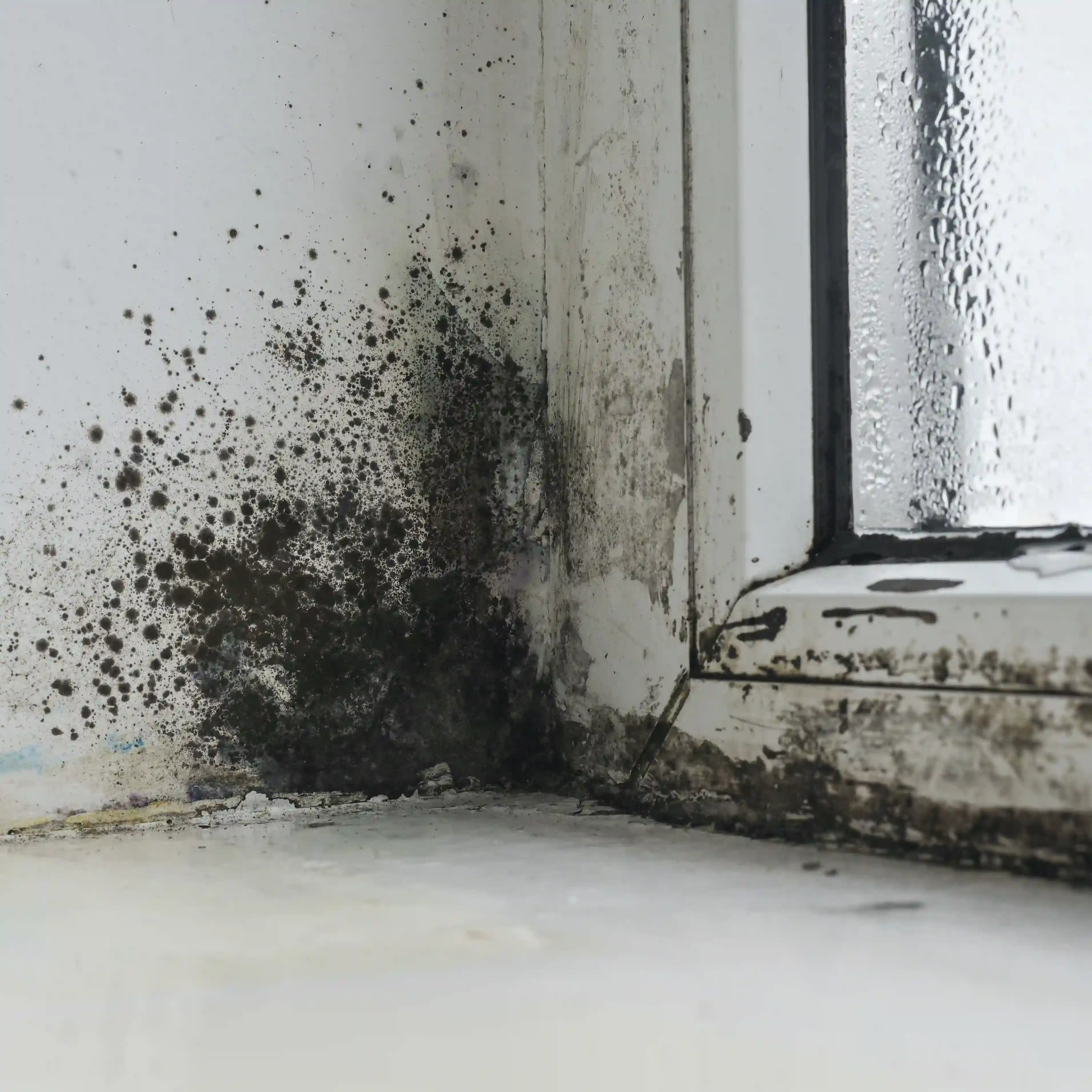
Worried about potential mold? If you notice strange odors or have lingering allergies, it could be hidden mold. Mold poses a genuine risk to both your physical health and your property’s structure. Our Hudson mold inspection team uses professional surface and air sampling (spore trap) tests to identify hidden mold, assess your indoor air quality (IAQ), and provide a clear report on any issues found.
Don’t guess about your indoor air quality. We provide comprehensive mold testing services in Hudson backed by actual science. We are the only testing provider in the area operated by an inspector with a college degree in Biology and Physiology. Get accurate answers and next business day results.

Why Hudson Homeowners Choose Our Science-First Approach
Most inspectors simply run a test; we understand the biology behind the growth.
- Exclusive Priority Service: Our labs guarantee laboratory results the same day samples are received.
- Scientific Background: Your inspection is performed by a graduate with degrees in Biology and Physiology.
- Certified: Fully certified by the International Association of Certified Indoor Air Consultants (IAC2).
- Fast Turnaround: We know health concerns can’t wait. We deliver results the next business day.
Providing Mold Inspections in Hudson, OH
Our Testing Methods
A standard testing protocol with 3 samples costs $320. Each additional sample is $75.
One sample is $160. Two samples are $320…so might as well go for three at the same price.
Cultured mold and bacterial samples cost an additional $20 per sample.
We use industry-standard protocols to identify mold presence and spore counts:
- Air Sample Testing: Detect invisible spores and compare them to outdoor levels to assess true air quality. This testing is the gold standard for establishing the presence of active mold in an area.
- Tape Lift & Swab Testing: We use direct surface sampling to identify specific mold growth visible on floors, walls, or furniture. When mold is plainly visible, this is the best method to confirm the type and quantity present.
- Cultured Samples: We utilize cultured surface samples to determine which mold species are actively living. Since mold has life cycles, culturing samples in the lab helps us find mold that doesn’t appear on standard tests. This process requires a multi-day turnaround at the lab.
- Fecal Bacteria Analysis From Plumbing Leaks or Overflows: Mold isn’t the only problem caused by water. The lab analyzes samples to determine the presence of bacteria that are found in fecal matter. This is a multi-day test at the lab.
Hudson Commercial Mold & Air Quality Testing
For business owners and property managers in Hudson, we offer fully scalable mold inspection services. Safeguard your workforce and reduce liability risks with our verified, science-based lab reports.
Frequently Asked Questions
I don’t see any visible mold. Is an inspection still necessary?
How long does it take to get the lab results back?
**Disclaimer:** Next Business Day results are subject to FedEx shipping schedules. Inspections performed late in the day may miss the FedEx pickup cutoff, delaying results by one day. Additionally, while rare, delays caused by FedEx shipping errors, major events that limit or prohibit standard next-business day deliveries by FedEx, or unforeseen laboratory circumstances are outside of our control.
Is ‘Black Mold’ (Stachybotrys) the only dangerous type?
Do you clean/remediate the mold if you find it?
What is your ‘No Mold, No Pay’ Guarantee?
How much is mold testing?
Can I just use a DIY mold test kit from the hardware store?
Mold Analysis Library
Our lab analysis screens for a wide spectrum of fungal structures during mold inspection in Hudson. Below are the primary pathogens we identify, followed by our comprehensive screening list.
Primary Threats & Common Findings
Stachybotrys High Toxicity
Often referred to as “Black Mold.” It thrives on wet cellulose (drywall/wood) and produces Satratoxin H.
- Flu-like symptoms, dermatitis
- Nosebleeds, burning lungs
- Intermittent hair loss
Asp / Pen Toxic / Allergen
The most common fungi in problem buildings. Grouped due to visual similarities.
- Allergic bronchopulmonary aspergillosis
- Sinusitis, vomiting, diarrhea
Fusarium High Toxicity
Produces potent trichothecene toxins affecting the nervous and circulatory systems.
- Eye, skin, and nail infections
- Nausea and dermatitis
Alternaria Common Allergen
A very common allergen found in carpets and textiles. Large spores deposit in nose/mouth.
- Edema (swelling) and bronchospasms
- Bakers’ asthma
Cladosporium Common Allergen
The most common outdoor fungus. Often found on HVAC supply ducts.
- Skin lesions and eye ulceration
- Nail infection (Onychomycosis)
Chaetomium Water Indicator
Found on wet sheetrock/paper. A marker of significant water damage.
- Associated with peritonitis
- Cutaneous (skin) lesions
Memnoniella Toxic Potential
Closely related to “Black Mold” (Stachybotrys). Thrives on wet cellulose.
- Similar IAQ risks to Stachybotrys
- Respiratory irritation
Aureobasidium Irritant
A yeast-like fungus found in humidifiers or air conditioners.
- “Humidifier lung”
- Dyspnea, cough, fever
Comprehensive Screening Panel
Ascospore
Common outdoor spore. Reported to be allergenic.
Basidiospore
Spores from mushrooms/p\uffballs. Many varieties are reported to be allergenic.
Bipolaris sp.
Associated with asthma and “wine grower’s lung.” Can cause leaf rot on plants.
Botrytis sp.
Can produce mycotoxins (sterigmatocystin) which may cause liver and kidney damage.
Cercospora
Common outdoor agricultural fungus. Parasitic to plants (leaf spot).
Curvularia sp.
Reported to be allergenic. Associated with allergic fungal sinusitis and corneal infections.
Drechslera sp.
Found on grasses/grains. Occasionally causes corneal infection of the eye.
Epicoccum sp.
A common allergen found in plants, soil, grains, and textiles.
Myxomycetes Slime
“Slime Molds.” Generally outdoor fungi (forests). Can cause hay fever and asthma.
Nigrospora sp.
Common in warm climates. Responsible for allergic reactions like hay fever and asthma.
Oidium sp.
Plant pathogen (powdery mildew). Human health effects are not well studied.
Periconia sp.
Rarely found indoors. Associated with rare cases of mycotic keratitis (eye infection).
Pithomyces sp.
Known to cause facial eczema in ruminants (animals). Not currently known as a human pathogen.
Rusts & Smuts
Plant disease fungi. Can cause hay fever and asthma in humans.
Spegazzinia
A very small proportion of fungal biota. No specific toxicity or health effects currently reported.
Sporotrichum
Rarely found. Some cases suggest bronchopulmonary colonization.
Stemphylium sp.
Isolated from dead plants/cellulose. Reported to be allergenic.
Tetraploa
Rare. Associated with very few cases of keratitis and subcutaneous infection.
Torula sp.
Found on cellulose materials. Reported to be allergenic; can cause hay fever/asthma.
Ulocladium sp.
Found on textiles. Associated with similar allergic reactions to other water-damage molds.
Zygomycetes
Fast-growing (e.g., Rhizopus). Common allergens; can be pathogenic to immune-compromised individuals.
Certified, Licensed, and Trusted by Hudson



Certifications acquired through home inspector training from InterNACHI®